Highlights Of The Program
2 days business program:
Learn from real-world case studies by industry leaders.
SHOWCASING INNOVATION:
Discover the latest technology and techniques from across the industry.
leaders talk:
Hear from top-level experts about how to stay ahead in a fast-changing industry.
MULTIPLE STREAMS:
A business program that is multi-disciplinary, giving you a broad view of the industry.
SMART TECHNOLOGIES:
Explore the latest smart and AI-driven solutions, and see how they can be used in your business.
roundtable discussion:
Join talks with industry peers. Share ideas, make connections, and find new partners.
Program 2026
DAY 1 :
MONDAY, 22 JUNE 2026
08:00 - 08:50
REGISTRATION AND MORNING REFRESHMENTS
08:50 - 09:00
OPENING ADDRESS
09:00 - 09:25
SEEING DOUBLE: LESSONS FROM HEIDELBERG MATERIALS’ DUAL-FEED CCS JOURNEY IN EDMONTON
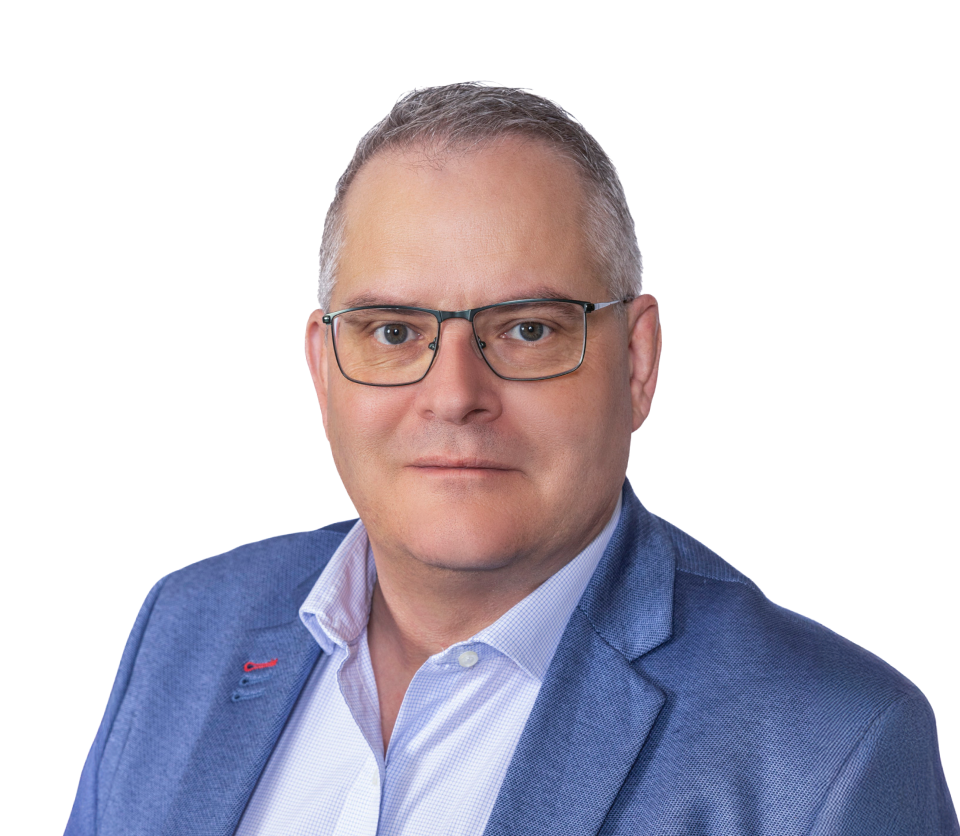

Corwyn Bruce
Heidelberg Materials
- Lessons from long-term on-site piloting used to reduce technical risks and improve confidence
- Dual-feed CCS options and the value of supplier competition for capital and operating costs
- Market drivers for low-carbon products, including evoZero cement and premium positioning
- Business case fundamentals, including revenue levers, policy support, and plant configurations
09:25 - 09:30
Q&A SESSION ON DUAL-FEED CCS INSIGHTS FOR COST AND MARKET VALUE
09:30 - 09:55
CCUS ITC 2.0: WHAT’S CHANGED, WHAT MATTERS, AND WHAT WE’RE SEEING
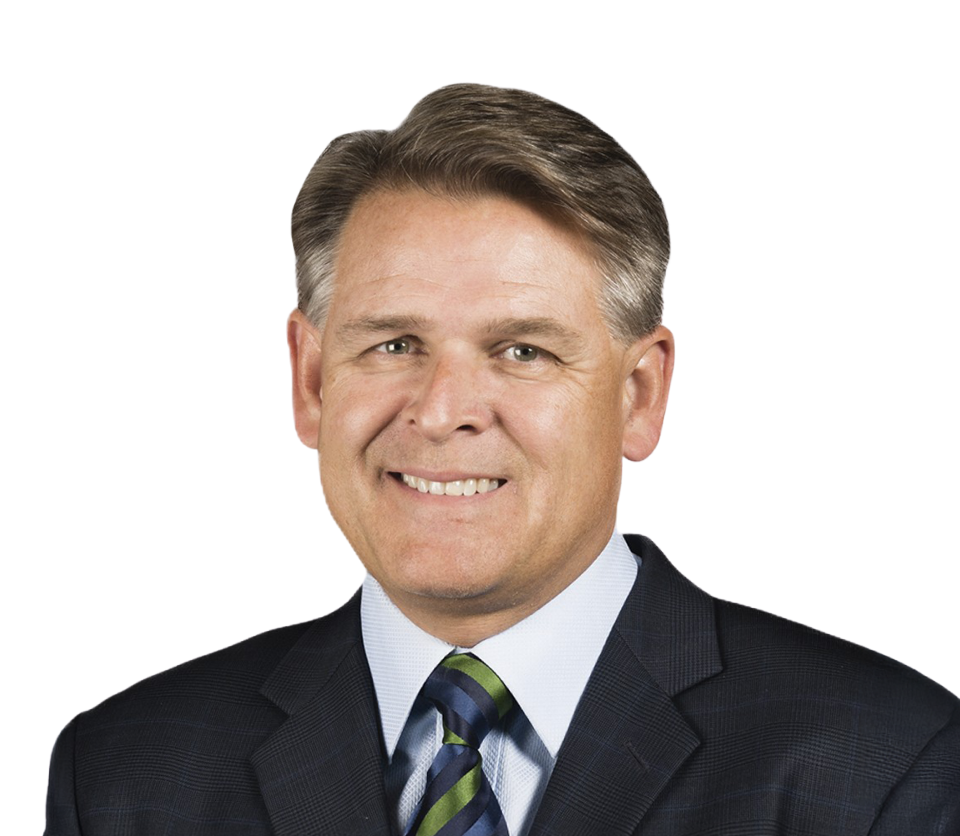

David Arthur
Deloitte LLP
- The latest federal budget updates and what they mean for CCUS ITC eligibility in practice
- Outlining what NRCan expects in project definition, cost details, and supporting documentation for submissions


Pooya Hosseini
Deloitte LLP
- Clarifying how design, procurement, ownership, and partnership structures can affect eligibility and credit entitlement
- Early CRA compliance experience, including documentation standards, qualifying equipment boundaries, and cost allocation
09:55 - 10:00
Q&A SESSION ON CCUS ITC ELIGIBILITY, REVIEWS, AND COMPLIANCE
10:00 - 10:25
CUTTING THE RED TAPE: WHAT YOU NEED TO KNOW TO GET YOUR CARBON CAPTURE PROJECT APPROVED


Avinash Kowshik
MLT Aikins LLP
- Key forms and documentation required for carbon capture project submissions, thereby supporting timely approval processes
- Identifying important deadlines and submission pathways, while clarifying where and to whom regulatory materials must be delivered
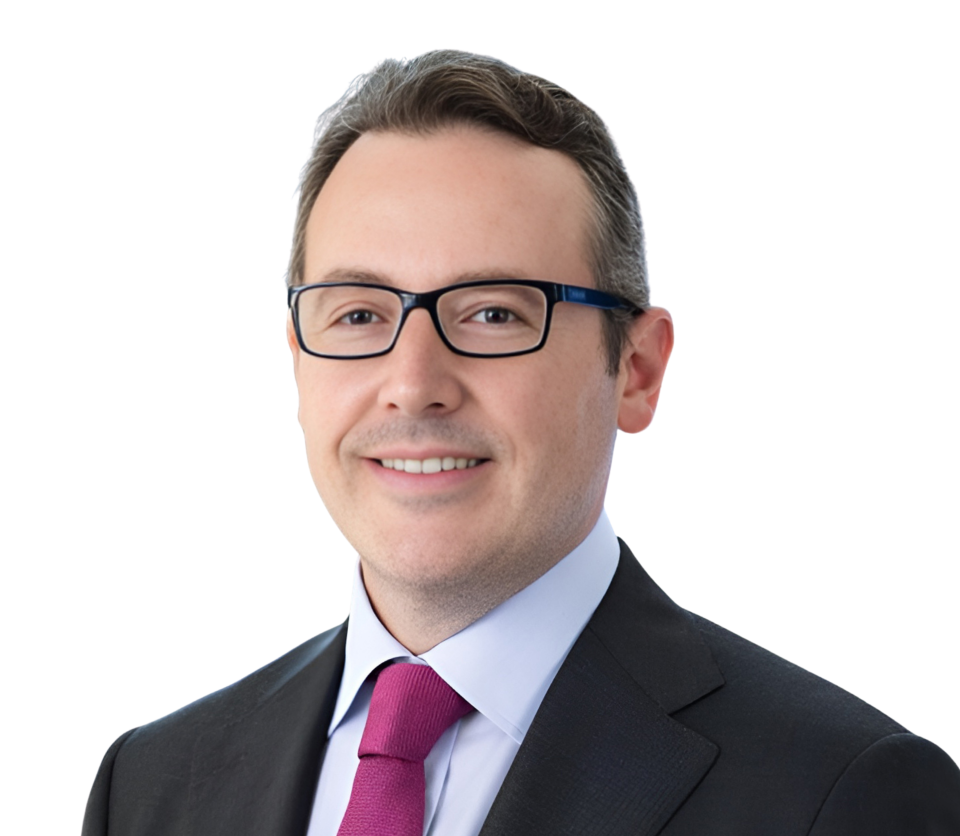
Michael O’Brien
MLT Aikins LLP
- The range of stakeholders typically requiring engagement, ensuring alignment across the community, industry, and the government
- Detailing the regulatory review process and decision factors, while preparing project developers for approval requirements and expectations
10:25 - 10:30
Q&A SESSION ON CARBON CAPTURE PERMITTING AND REGULATORY APPROVALS
10:30 - 11:00
MORNING COFFEE BREAK IN THE EXHIBIT AREA
SPONSORED BY BROCK CANADA
11:00 - 11:30
PANEL DISCUSSION ON DEVELOPING A STRATEGIC FRAMEWORK FOR THE COMMERCIALIZATION OF CARBON CAPTURE, UTILIZATION, AND STORAGE

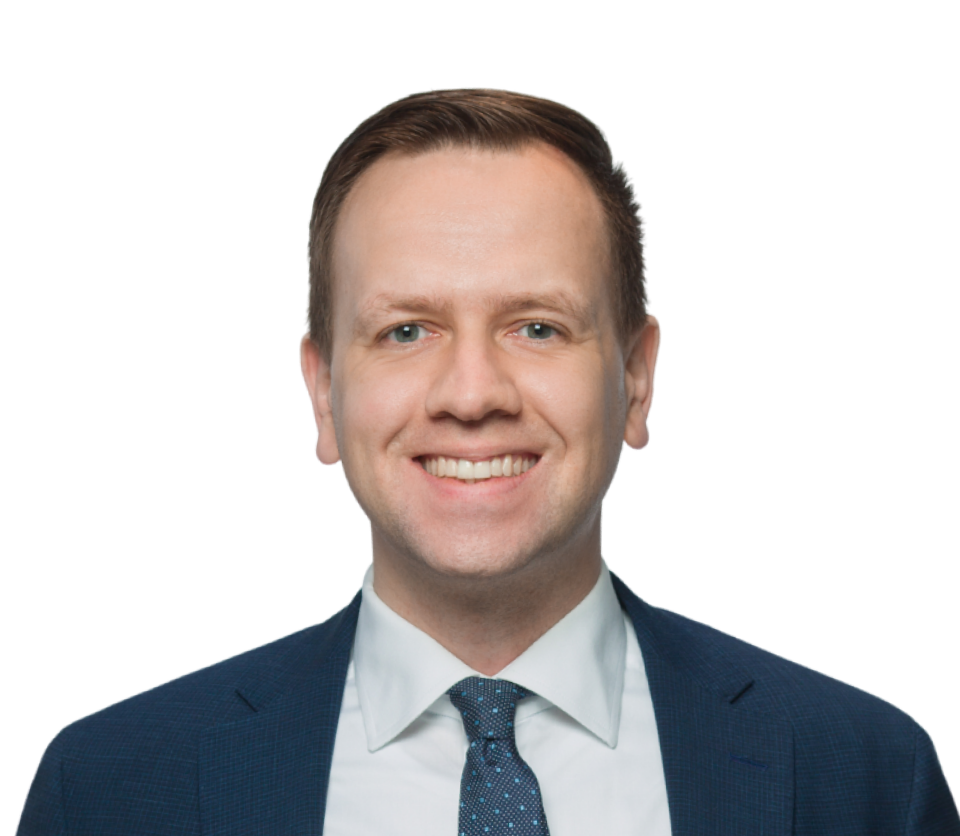
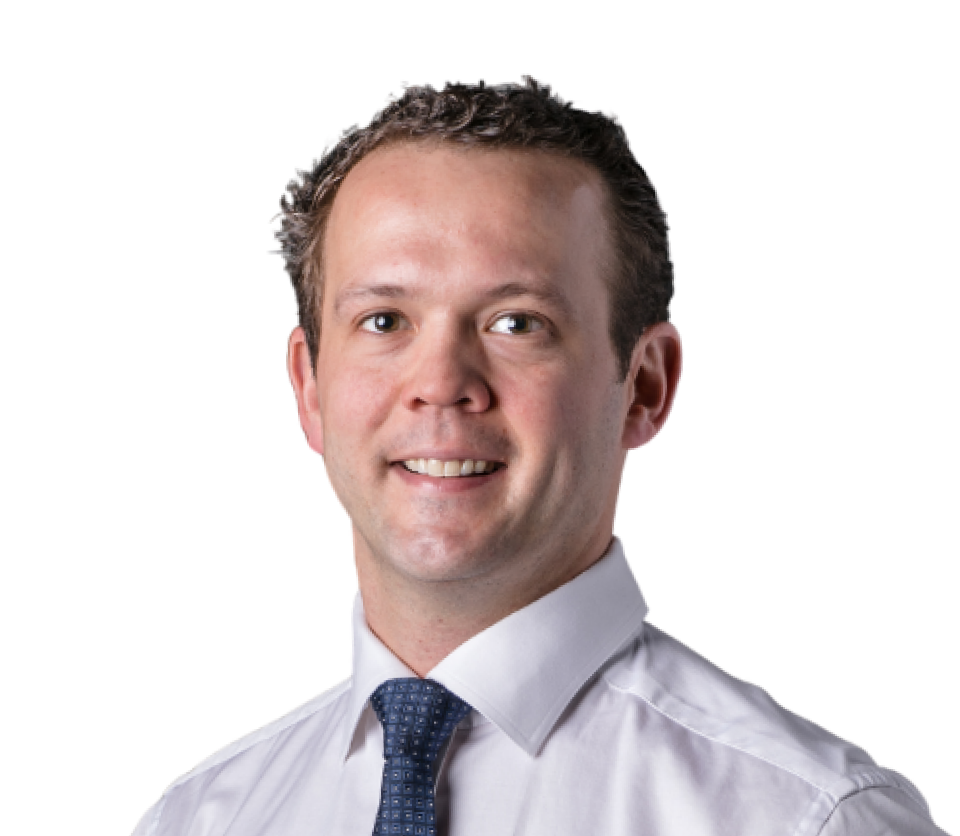
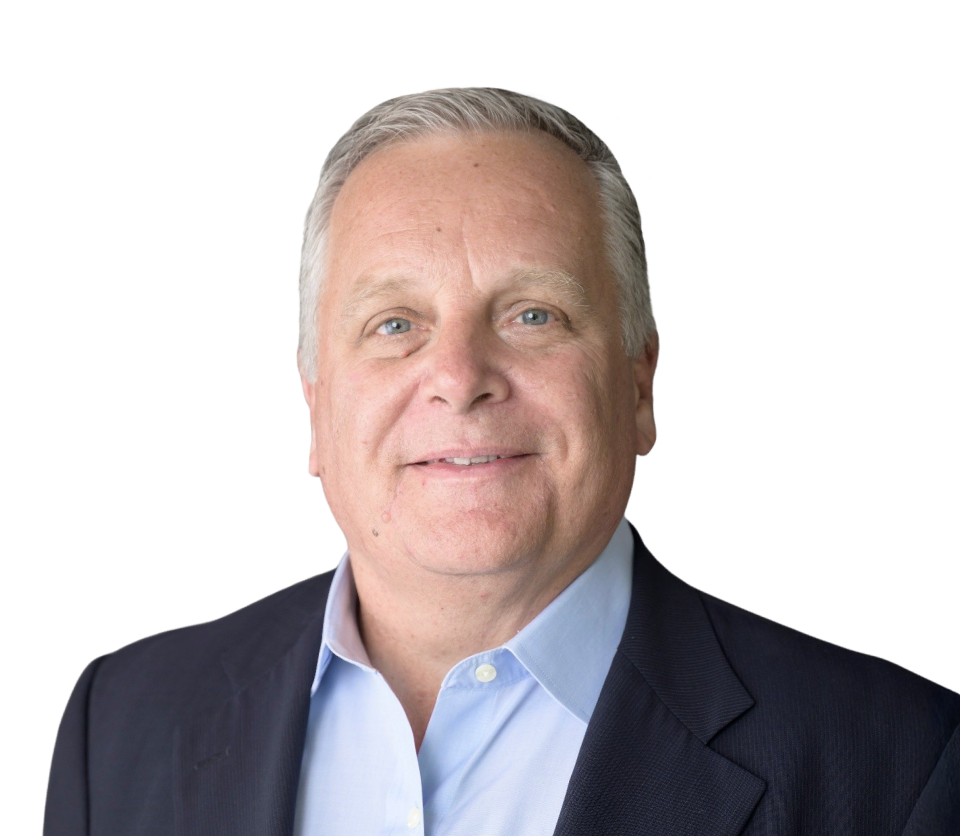

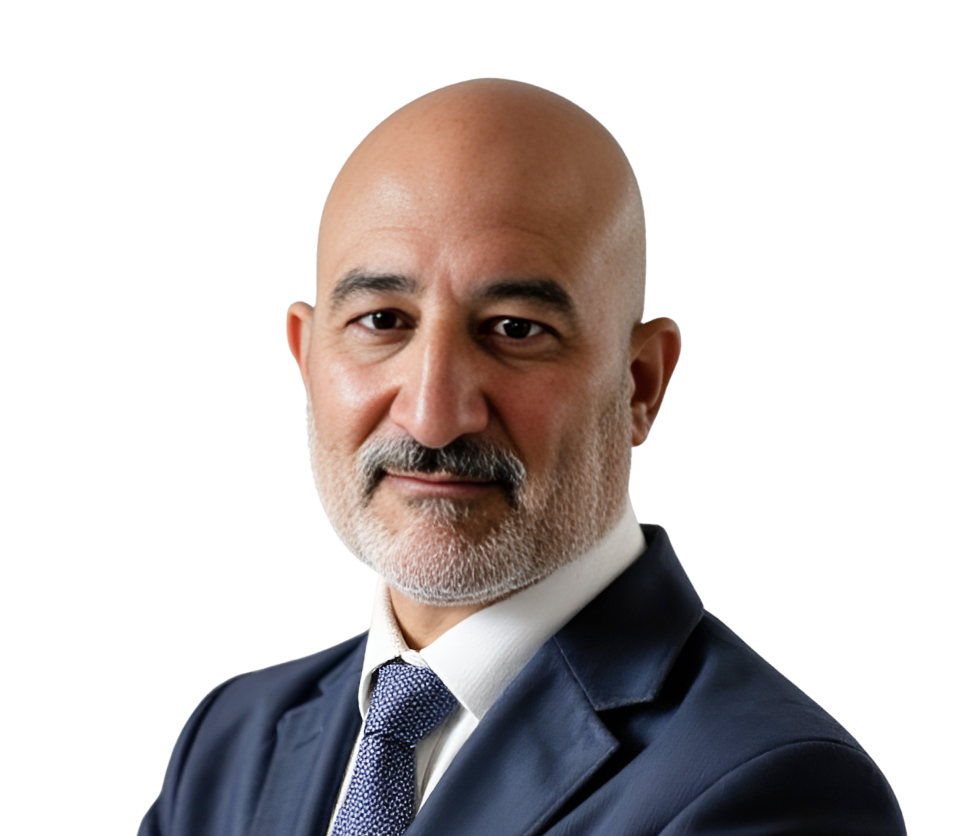
- Assessing CCUS financial viability, while exploring breakthrough innovations in capture, storage, and the infrastructure shaping its future
- Policy and market signals, alongside capture technology standardization, that enable projects to progress towards commercial investment readiness
- Competition and synergies between CCUS capture facilities and AI data centres in power and resource efficiency
- Opportunities for trusted CCUS carbon credits, buyer-defined bankability, and voluntary market roles in accelerating deployment
- Embedding proactive communication and stakeholder engagement into CCUS commercialization strategies to manage risks and build trust
Jonathan Carley | CCUS Experts | Moderator
Max Atkins | KPMG
Niels Versfeld | Carbon Clean
Joseph Stark | AIR TO EARTH®
Tim Byrne | Bynamic Group
Anton Holland | NIVA Inc.
11:30 - 11:55
ENHANCING CARBON SINK SELECTION AND MONITORING THROUGH SEISMIC AND FIBRE-OPTIC SENSING


Olusoji Lawrence Taiwo
SOFSOURCE
- Using Petrel-based seismic interpretation to identify potential CCUS storage formations with clear subsurface structure
- Focusing on depleted reservoirs and saline aquifers, highlighting sealing integrity and key screening considerations
- Detailing how DAS interrogator units turn fibre-optic cables into sensors for continuous subsurface monitoring
11:55 - 12:00
Q&A SESSION ON MONITORING INTEGRITY IN RESERVOIRS AND AQUIFERS
12:00 - 12:25
CO₂ CONDITIONING AND COMPRESSION INTEGRATION FOR COST SAVINGS AND PERFORMANCE
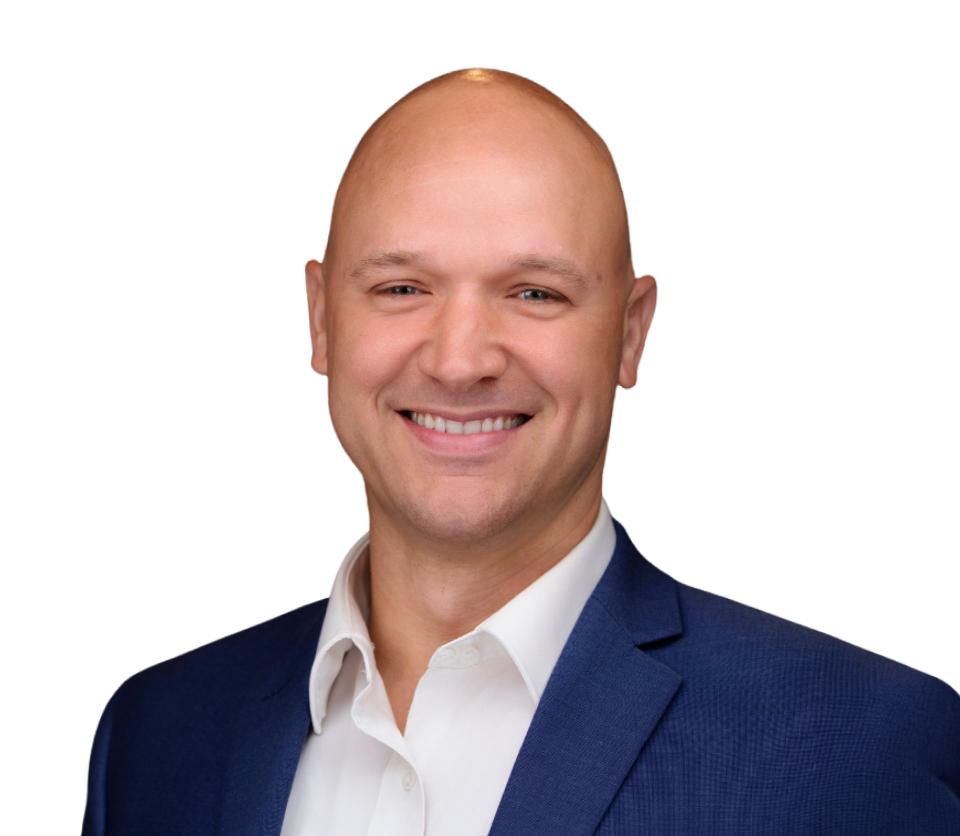

Brent Staley
NOV
- The role of CO₂ conditioning following capture, as gas streams with CO₂ concentrations above 90 percent require preparation for pipeline transport
- Key processes, including impurity removal, dehydration, and compression within CO₂ conditioning systems
- The importance of close alignment between compression stages and purification units to support efficient operation
- The benefits of fully integrated conditioning solutions, including simplified guarantees, reduced timelines, and cost savings
12:25 - 12:30
Q&A SESSION ON INTEGRATED CO₂ CONDITIONING FOR PIPELINE TRANSPORT
12:30 - 13:30
NETWORKING LUNCH AND VISITING THE CARBON CAPTURE EXHIBITION
13:30 - 14:00
PANEL DISCUSSION ON THE ROLE OF CCUS AND CDR IN ACHIEVING NET-ZERO EMISSIONS TARGETS



- Geopolitics, CBAM, and U.S. policy reshaping trade competitiveness and elevating CCUS/CDR for net-zero industry resilience
- Ensuring high-integrity carbon removal through robust standards, credible frameworks, and safeguards against greenwashing
- Defining MRV confidence levels required for regulators, investors, and voluntary markets to trust stored carbon
- Policies and mechanisms to scale durable carbon removal through biochar within national net-zero strategies
- Key innovations required to enable CCUS deployment and decarbonization across hard-to-abate sectors, including cement, steel, refineries, and waste-to-energy
Shannon Feagin | Neapco | Moderator
Sunday Olota | UNDP GPN ExpRes
Isabella Tarasco | Avondale Private Capital
Niall Gleeson | Emerald Sustainability Corp
Michel Gagnon | Airex Énergie
Niels Versfeld | Carbon Clean
14:00 - 14:25
TURNING BioCO₂ FROM RNG PRODUCTION INTO A STRATEGIC LOW-CARBON RESOURCE


Clay Selsmeyer
Prodeval
- Examining options for recovering and liquefying biogenic CO₂ from biogas upgrading in RNG production
- Ways to strengthen RNG project economics while supplying low-carbon CO₂ to key industries
14:25 - 14:30
Q&A SESSION ON BUILDING RELIABLE BioCO₂ SUPPLY CHAINS FOR THE INDUSTRY
14:30 - 14:55
DISCUSSION ON ECONOMICS, COSTS, AND BUSINESS MODELS THAT WORK

Yaron Gisser
Honeywell UOP
- Biogenic CO₂ capture pathways in the pulp and paper sector, alongside bio-energy CCS applications
- Collaborating with power turbine manufacturers to identify newbuild opportunities for cost improvement
- Driving continuous technology improvements to reduce carbon capture costs and strengthen project business cases
14:55 - 15:00
Q&A SESSION ON PRACTICAL BUSINESS MODELS AND COST REDUCTION IN CCS
15:00 - 15:20
AFTERNOON COFFEE BREAK IN THE EXHIBIT AREA
15:20 - 15:50
PANEL DISCUSSION ON CO₂ STORAGE PERMANENCE, MMV, AND CCUS CARBON CREDITING



- Managing legal, commercial, and operational risks associated with CCS interactions, seismicity, and CO₂ leakage
- Geomechanical uncertainties and their implications for long-term CO₂ storage integrity and containment confidence
- Key barriers to CO₂ underground storage and methodologies for calculating carbon dioxide offsets and conducting verification
- Reducing MMV costs through optimized monitoring strategies, targeted data acquisition, and risk-based technologies
- Addressing credit quality, transparency, and trust barriers limiting corporate demand for CCUS carbon credits
Olusoji Lawrence Taiwo | SOFSOURCE | Moderator
Nick Ettinger | Torys LLP
Noga Vaisblat | Natural Resources Canada
Daniel Soeder | Soeder Geoscience LLC
Majid Faskhoodi | SLB
Anuj Jain | INNOMOTICS Canada
15:50 - 16:15
INCREASING THE CANADIAN ADOPTION OF CARBONTECH

Jonathan Carley
CCUS Experts
- Carbontech’s role in reducing emissions from large stationary industrial sources
- Understanding why many technologies struggle to scale beyond the lab into reliable commercial operation
- Technical and non-technical success factors that support bankable scale-up and performance guarantees
- Lessons learned from commercializing a leading post-combustion carbon capture technology in Canada
16:15 - 16:20
Q&A SESSION ON SUCCESS FACTORS FOR DEPLOYING CARBON CAPTURE
16:20 - 16:45
DATA-DRIVEN DECISIONS FOR CANADA’S LOW-CARBON FUTURE


Julia Mackey
Orennia
- Advanced data platforms reshaping capital allocation and project selection for decarbonization
- Best practices for benchmarking and verifying outcomes across CCUS, hydrogen, renewable fuels, and renewables
- Perspectives from real deployments and cross-sector collaboration to scale cost-effective solutions
16:45 - 16:50
Q&A SESSION ON MEASURING AND SCALING DECARBONIZATION OUTCOMES
16:50 - 17:15
FACILITATING COLLABORATION IN THE DEVELOPMENT OF NEW TECHNOLOGY

Randy Brunet
MLT Aikins LLP
- Highlighting the value of collaboration to advance innovative technology projects and reduce risks
- Common partnering approaches, including JVs, corporate structures, and strategic alliances

Danielle Graff
MLT Aikins LLP
- Mapping a practical negotiation sequence from IP strategy to term sheet to final agreement
- Key agreement clauses and IP ownership models, with options to protect value
17:15 - 17:20
Q&A SESSION ON STRUCTURING PARTNERSHIPS AND IP FOR CCUS
17:20 - 18:20
NETWORKING DRINKS RECEPTION
DAY 2 :
TUESDAY, 23 JUNE 2026
08:00 - 08:30
MORNING REFRESHMENTS
08:30 - 08:40
OPENING ADDRESS
08:40 - 09:10
PANEL DISCUSSION ON THE CHALLENGES AND BENEFITS OF IMPLEMENTING CCUS IN HEAVY INDUSTRY SECTORS


- Reducing operational complexity in CCUS to accelerate adoption across heavy industry and energy-intensive sectors
- Incorporating BECCS in pulp mills, leveraging synergies to scale cost-effective carbon dioxide removal
- Scaling CCUS through hubs or site-specific projects, addressing permitting, workforce, and supply chain constraints to 2030
- Establishing social licence for CCUS through transparency, community engagement, and proactive communication on long-term storage safety
- Advancements in cutting CO₂ capture costs, alongside key enablers driving scalable utilization and conversion technologies
Maziar Rajabi | Sharp Mind Global Ventures Inc. | Moderator
Shane Johnson | CarbonQuest
Bill Adams | Mercer International Inc.
Majid Faskhoodi | SLB
Brittany Wickham | TC Energy
Matt McCulloch | Norda Stelo
09:10 - 09:35
REGULATION OF PORE SPACE: OWNERSHIP, DEVELOPMENT, AND OPERATIONAL RISKS


Nick Ettinger
Torys LLP
- Pore space ownership frameworks in Canada and the U.S., and the related commercial and legal risks
- Processes for resolving conflicts between overlapping subsurface operations in law and regulation
09:35 - 09:40
Q&A SESSION ON PORE SPACE RIGHTS AND REGULATORY PATHWAYS
09:40 - 10:05
STABILITY AND DEGRADATION CONSIDERATIONS IN AMINE-BASED CO₂ CAPTURE SYSTEMS


Sophia Ekanem
University of Regina
- Examining solvent stability in amine-based CO₂ capture systems and the key factors influencing performance
- Effects of solvent degradation on process efficiency, solvent lifetime, and operating costs
- Implications for pilot-scale operation and the long-term deployment of amine-based capture solutions
10:05 - 10:10
Q&A SESSION ON MANAGING STABILITY AND PERFORMANCE IN CO₂ CAPTURE
10:10 - 10:30
MORNING COFFEE BREAK IN THE EXHIBIT AREA
SPONSORED BY KBC ADVANCED TECHNOLOGIES CANADA LTD
10:30 - 11:00
PANEL DISCUSSION ON 45Q TAX CREDITS: TRANSPARENCY, COSTS, AND CLIMATE OUTCOMES
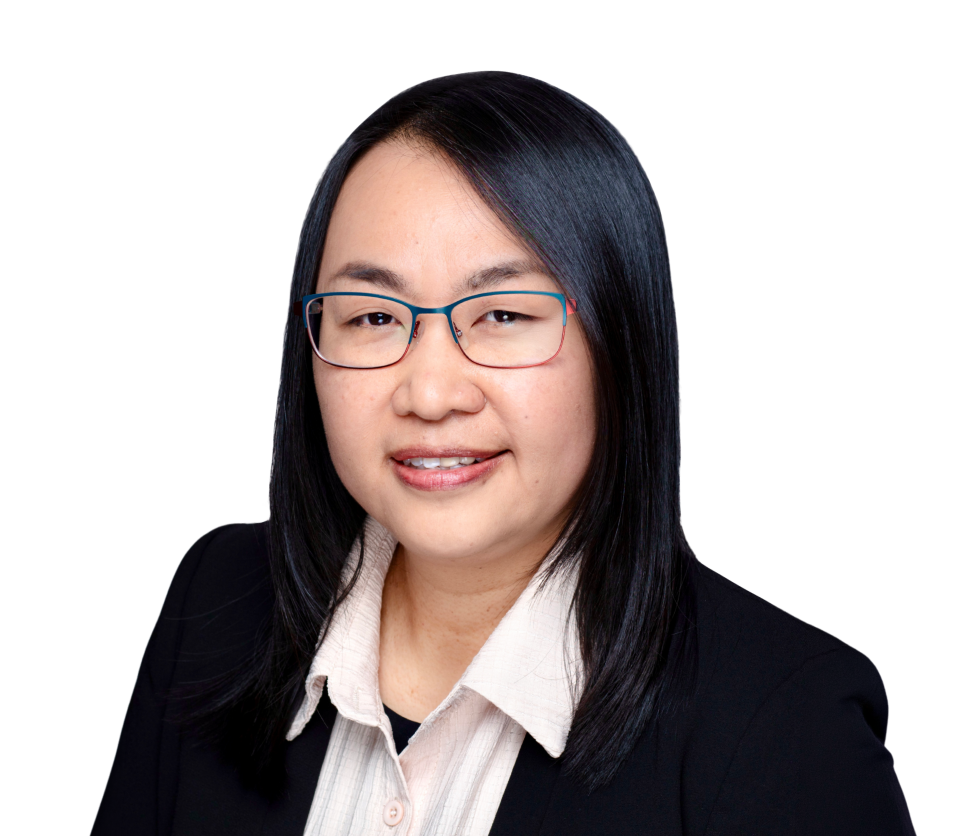




- Evaluating 45Q’s effectiveness amid regulatory complexity, verification uncertainty, and distribution of system costs
- Comparing the effectiveness of U.S. 45Q tax credits versus Canada’s CCUS investment tax credits in managing project risk
- Improving transparency and compliance in 45Q reporting through high-accuracy CO₂ quality and composition measurement
- Controlling CO₂ compression costs within 45Q incentives to ensure CCS project viability and climate impact
Bussaraporn Patarachao | National Research Council Canada | Moderator
Richard Hares | Sproule
Johnathon Sipos | Cielo Carbon Solutions
Leonardo Perez | Endress+Hauser Canada
Adésua Eigbé | Siemens Energy Canada Limited
11:00 - 11:25
CO₂ COMPRESSION FROM CAPTURE TO PIPELINE: STANDARDIZATION AND MODULARIZATION
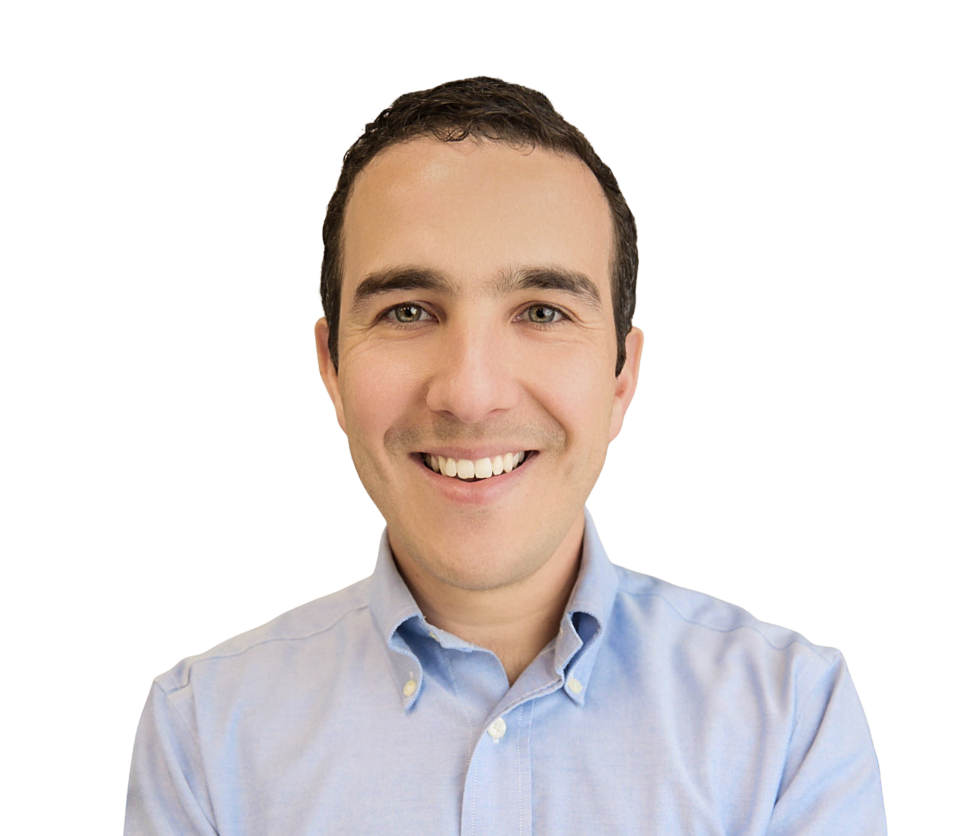

Mauricio Ramirez
Everllence USA Inc.
- The role of CO₂ compression across the CCUS value chain, from capture interfaces to pipeline transport
- Compression technology options and selection considerations across different operating scenarios
- Standardization and modularization approaches that improve deployability, costs, and schedule
11:25 - 11:30
Q&A SESSION ON SCALABLE CO₂ COMPRESSION SYSTEMS
11:30 - 11:55
FROM POLICY TO BANKABILITY: COMMERCIALIZING CCUS AND METHANE ABATEMENT

Maziar Rajabi
Sharp Mind Global Ventures Inc.
- Lessons from deploying CCUS and methane abatement solutions in hydrocarbon-intensive and emerging markets
- Zero-flaring strategies and early CCUS delivery under regulatory limits and infrastructure constraints
- Bankable project structures using carbon markets, compliance tools, and integration with upstream and midstream operations
- Alignment of policy, transport, and storage frameworks across Canada, the Middle East, and emerging markets to scale replication
11:55 - 12:00
Q&A SESSION ON COMMERCIALIZATION, CARBON ECONOMICS, AND CROSS-REGIONAL ALIGNMENT
12:00 - 12:25
FLYING TO THE SUSTAINABLE FUTURE WITH FISCHER-TROPSCH TECHNOLOGY


Ghoncheh Rasouli
KBC Advanced Technologies Inc.
- Converting captured carbon into sustainable aviation fuel through integrated CO₂ conversion and synthesis pathways
- Enhancing process efficiency using advanced simulation, reactor modelling, and integration with existing refinery systems
- Overcoming scalability and cost challenges, while enabling economically viable pathways for large-scale SAF production
12:25 - 12:30
Q&A SESSION ON SCALING LOW-CARBON AVIATION FUEL PRODUCTION PATHWAYS
12:30 - 13:30
NETWORKING LUNCH AND VISITING THE CARBON CAPTURE EXHIBITION
13:30 - 13:55
THE IMPORTANCE OF SUBSURFACE QUALITY IN CO₂ SEQUESTRATION


Hazel Plana
TC Energy
- Understanding how porosity directly impacts CO₂ storage capacity
- Examining permeability as a key factor influencing injectivity rates

John Lagasca
Pembina
- Considering the role of open-system reservoirs in carbon storage
- Examining subsurface properties supporting long-term containment
13:55 - 14:00
Q&A SESSION ON OPTIMIZING SUBSURFACE CONDITIONS FOR CO₂ STORAGE
14:00 - 14:25
POWERING CARBON CAPTURE: TURNKEY LOW-CARBON POWER FROM ROLLS-ROYCE


Giuseppe Marrari
Rolls-Royce Power Systems AG
- Delivering turnkey power generation solutions integrating carbon capture for reliable low-carbon operations
- Emphasizing scalability, efficiency, and rapid deployment benefits supporting faster project implementation
14:25 - 14:30
Q&A SESSION ON INTEGRATING POWER AND CARBON CAPTURE AT PROJECT SCALE
14:30 - 14:55
FROM CHEMISTRY TO CAPITAL: AI AND ML ENABLE SCALABLE CARBON SEQUESTRATION MARKETS

Shannon Feagin
Neapco
- Key non-technical constraints on CCUS scale, including data gaps, verification costs, and risks
- Leveraging AI and machine learning to make bioengineering and performance metrics investable assets
- The role of AI in de-risking and capital deployment across cross-border carbon markets
14:55 - 15:00
Q&A SESSION ON USING AI TO DE-RISK CARBON SEQUESTRATION INVESTMENT
15:00 - 15:25
ADVANCED CARBON CAPTURE MATERIALS: OPPORTUNITIES AND CHALLENGES FOR INDUSTRIAL DECARBONIZATION

Bussaraporn Patarachao
National Research Council Canada
- Exploring capture materials to improve CO₂ selectivity, efficiency, and industrial decarbonization outcomes
- Deployment opportunities across cement, steel, power, and chemical sectors, while reducing energy penalties
- Accelerating large-scale adoption by overcoming durability, scalability, and industrial integration challenges
15:25 - 15:30
Q&A SESSION ON MATERIAL PERFORMANCE AND SCALE-UP FOR CO₂ CAPTURE
15:30 - 15:45
FEEDBACK AND RAFFLE DRAW
15:45 - 16:00
CLOSING REMARKS
Become a Speaker & Join the Conversation
SUBSCRIBE FOR UPDATES
By submitting, you agree to receive email communications from the event organizers, including upcoming promotions and discounted tickets, news, and access to related events.